There is no single ideal height or weight that applies to every woman. A healthy weight depends on the relationship between each person’s height and weight. So how is it assessed, and how can you dress in a flattering way whatever your figure? Aaa Jeans answers these questions below.
I. Height and weight for women
1. Height and weight chart for women
2. 3 ways to calculate a healthy weight for women
II. Flattering outfit ideas
1. Outfits for slimmer figures
2. Outfits for fuller figures
I. Height and weight for women
1. Height and weight chart for women
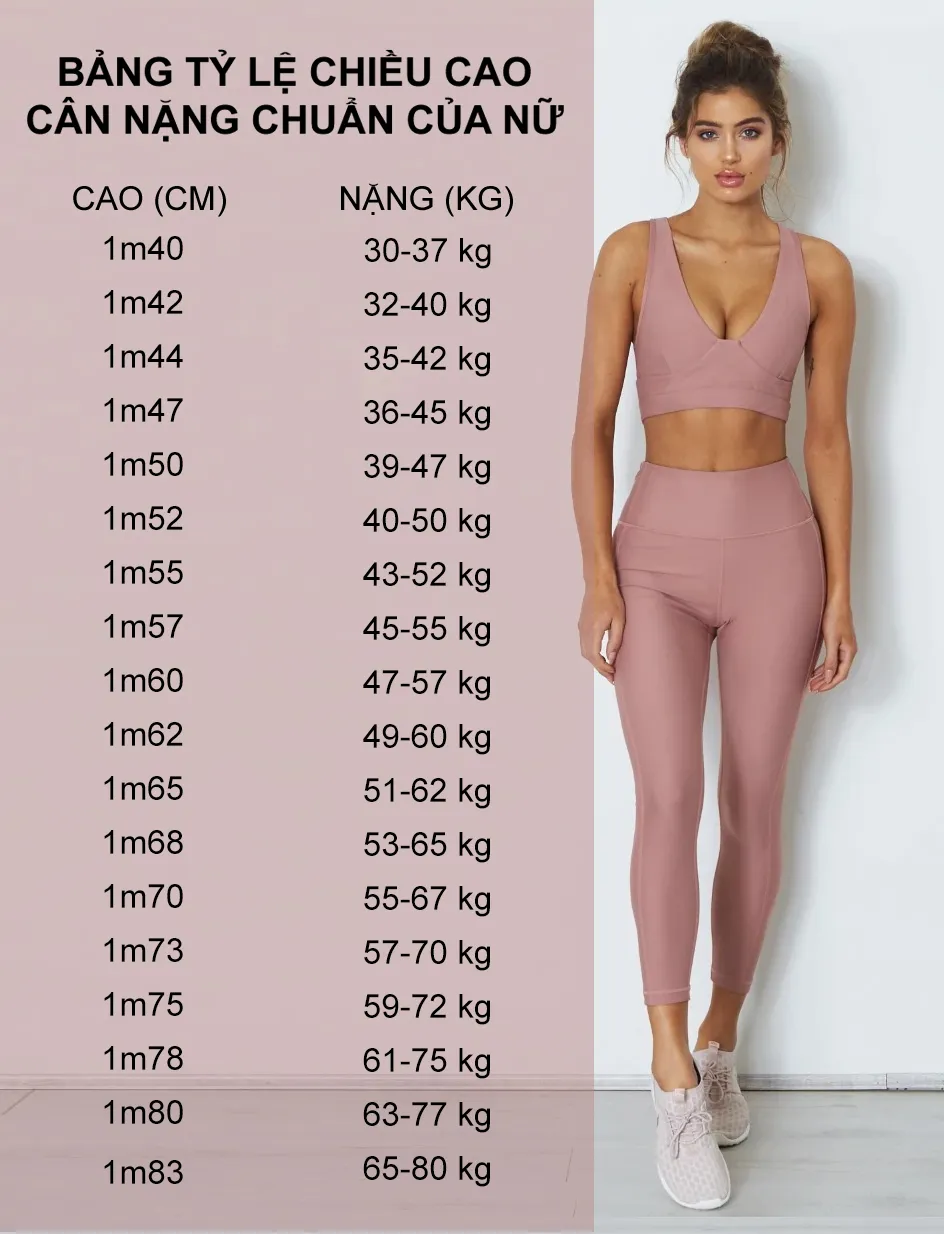
The best way to judge whether your weight is in a healthy range is to look at the relationship between height and weight: in other words, your body weight should be in proportion to your height. For more detail, see the height and weight chart for women below.
2. How to calculate a healthy weight for women
A common way to assess weight is the BMI (Body Mass Index), first proposed in 1832 by a Belgian scientist. BMI applies to both men and women, but only to adults (over 18). It does not apply to pregnant women, athletes or older people, and it varies between countries.
BMI is calculated as: BMI = weight / (height x height)
Where: height is in metres
weight is in kilograms
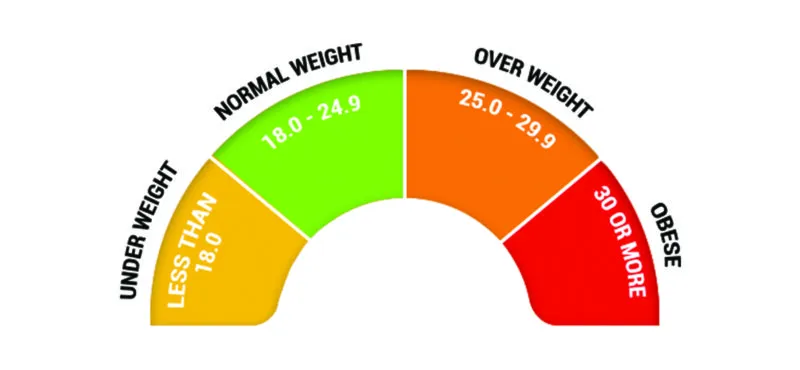
BMI below 18.5: underweight
BMI 18.5–24.9: healthy range
BMI 25–29.9: overweight
BMI 30 or above: obese
How does a very high BMI affect health?
A BMI far above the healthy range can harm your health and is linked to many serious conditions, including:
– Heart disease
– Diabetes
– Gallbladder disease
– A higher risk of some cancers, such as endometrial, breast, colon and gallbladder cancer. Obesity may also increase the risk of ovarian cancer.
– Sleep apnoea
– Joint problems
– Infertility
II. Flattering outfit ideas
BMI gives you a general idea of where your weight stands, but whatever your figure, the right outfit makes all the difference. Here are some flattering outfit ideas from Aaa Jeans.
1. Outfits for slimmer figures
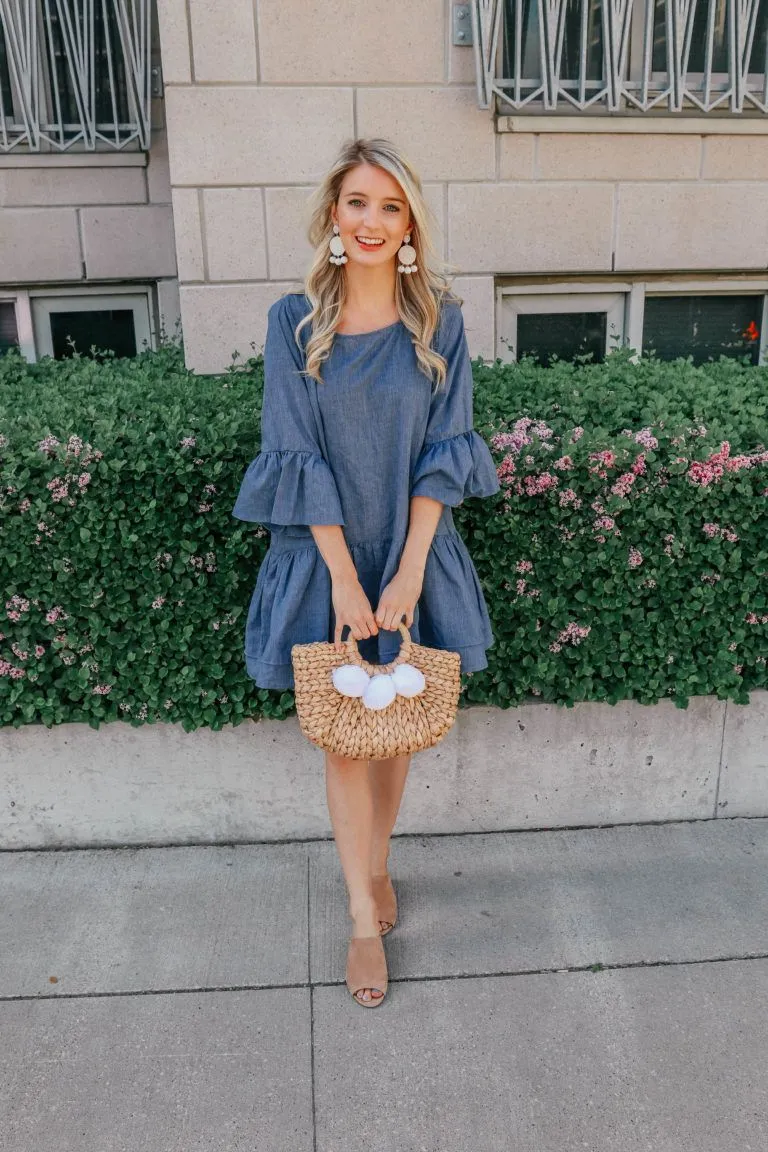
1.1. Dresses and skirts with ruffles, pleats or tiers
Ruffles, pleats and tiers add volume, making the hips look noticeably fuller.
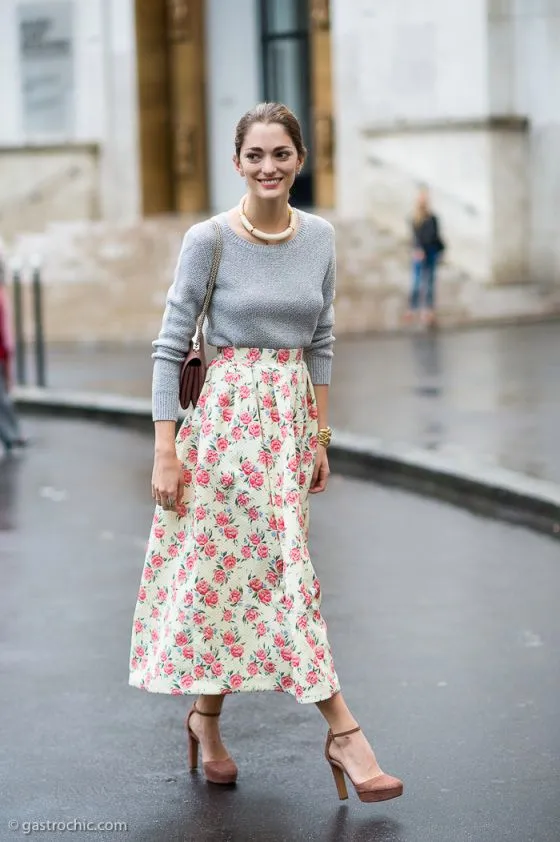
1.2. An A-line skirt with a jumper
An A-line skirt is very effective at adding shape: the A-line cut makes the hips look fuller. Pair it with a light-coloured jumper; the thicker fabric adds volume for a balanced look. A-line skirts are easy to mix and match, so you can vary the tops to keep things fresh.
1.3. Wide-leg trousers with a white shirt
A roomy wide leg skims over slim legs. Many women pair wide-leg trousers with a crop top to show off a small waist, but for an elegant look for town or work, a short-sleeve white shirt is a safe choice. It is a simple combination that gives you a balanced silhouette straight away.

1.4. Add a jacket
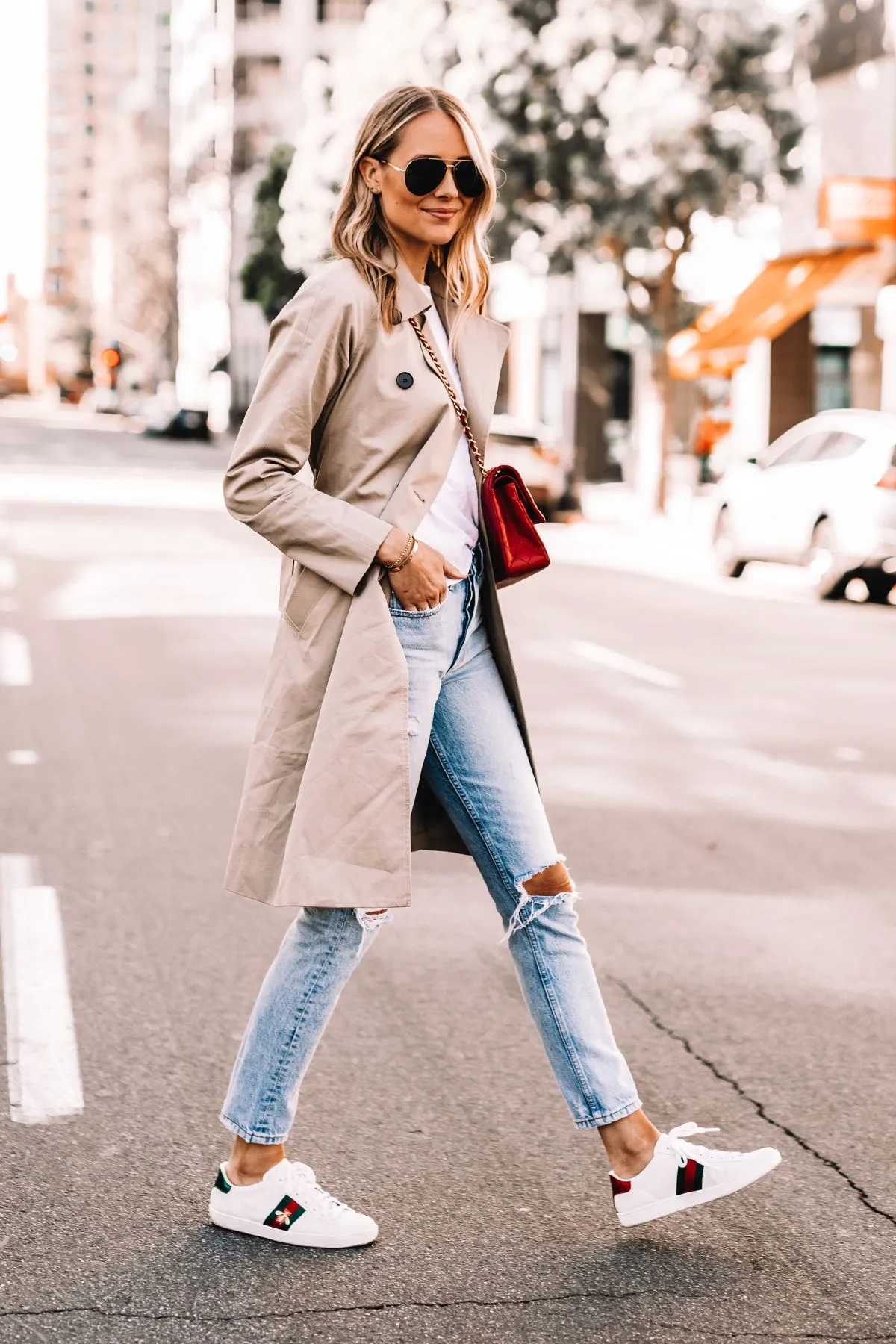
Layering works wonders here: combining several pieces in layers. Layering is less flattering on fuller figures, but on slimmer figures it gives a visibly more balanced look, as the layers add volume.
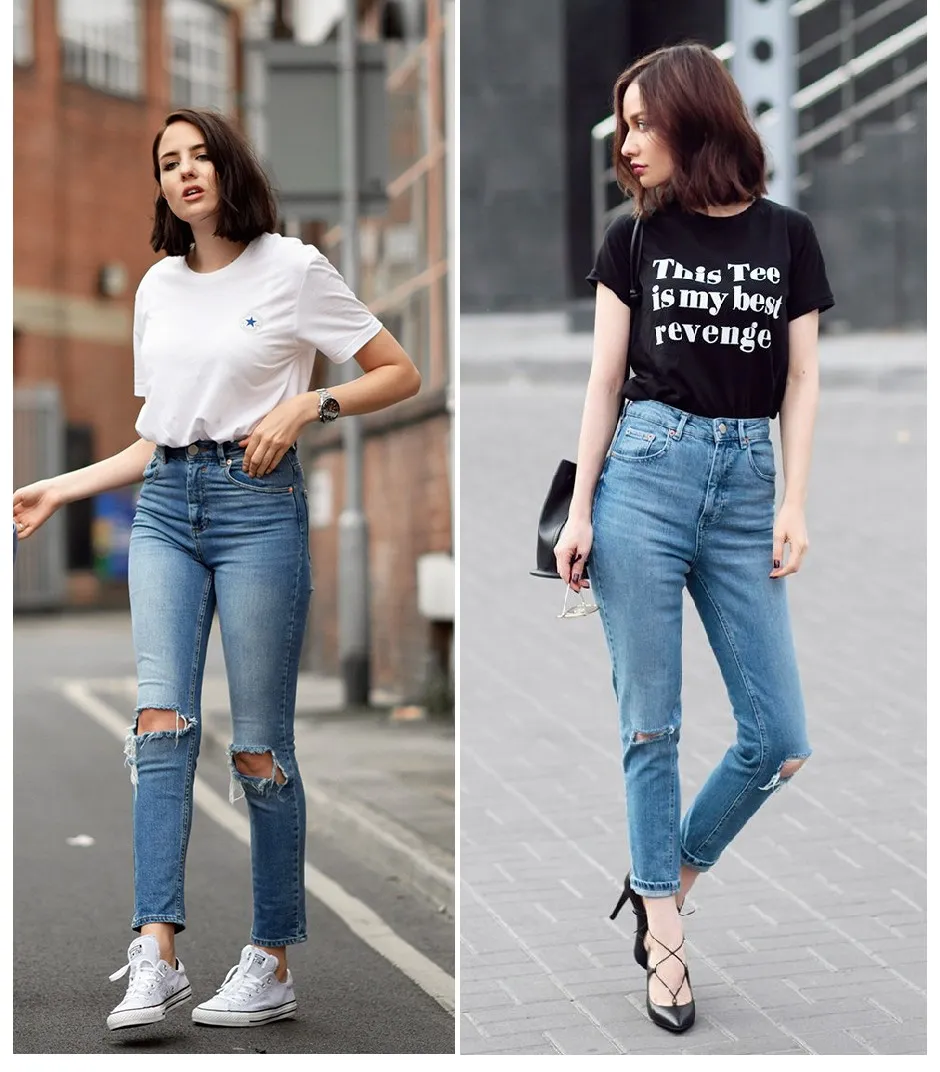
It is very simple: wear well-fitting straight-leg jeans with a T-shirt and a long jacket.
2. Outfits for fuller figures
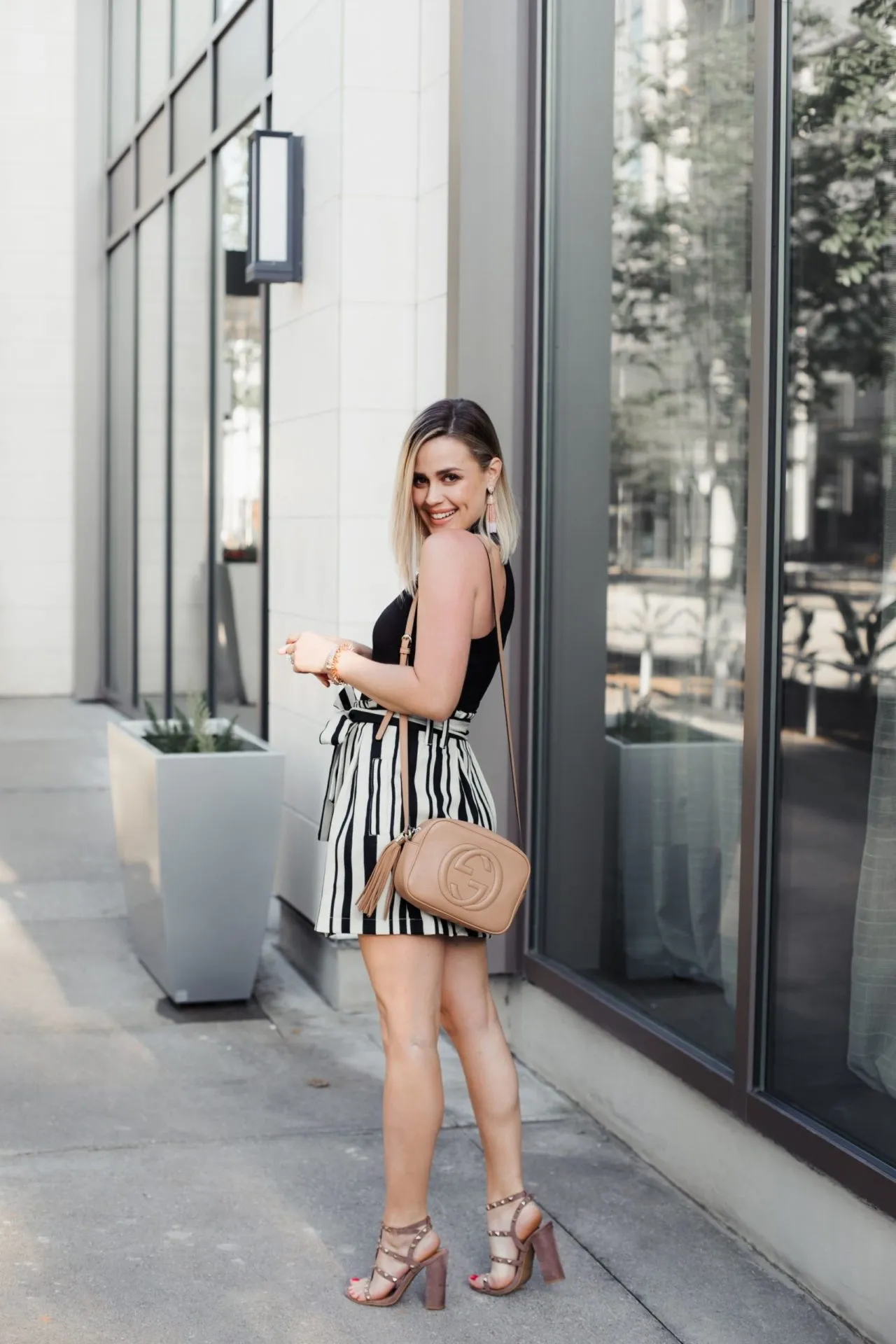
2.1. Vertical-striped shorts with a belt
Vertical stripes make the legs look slimmer and longer. Add a belt to define the waist for a perfect finish.
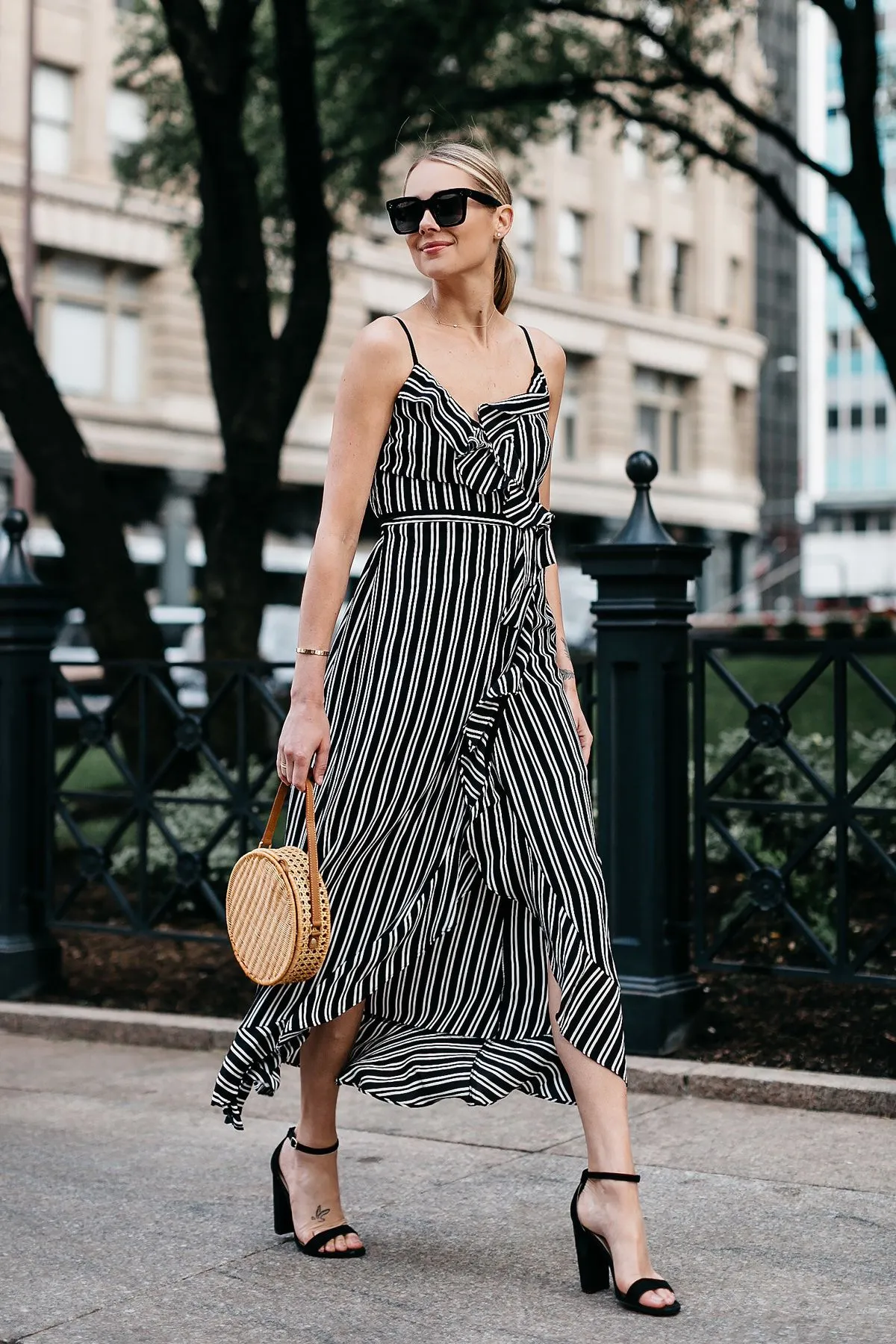
2.2. A slightly flared dress with a relaxed waist
A slightly flared dress in a dark colour balances the figure, and vertical stripes as above add height.
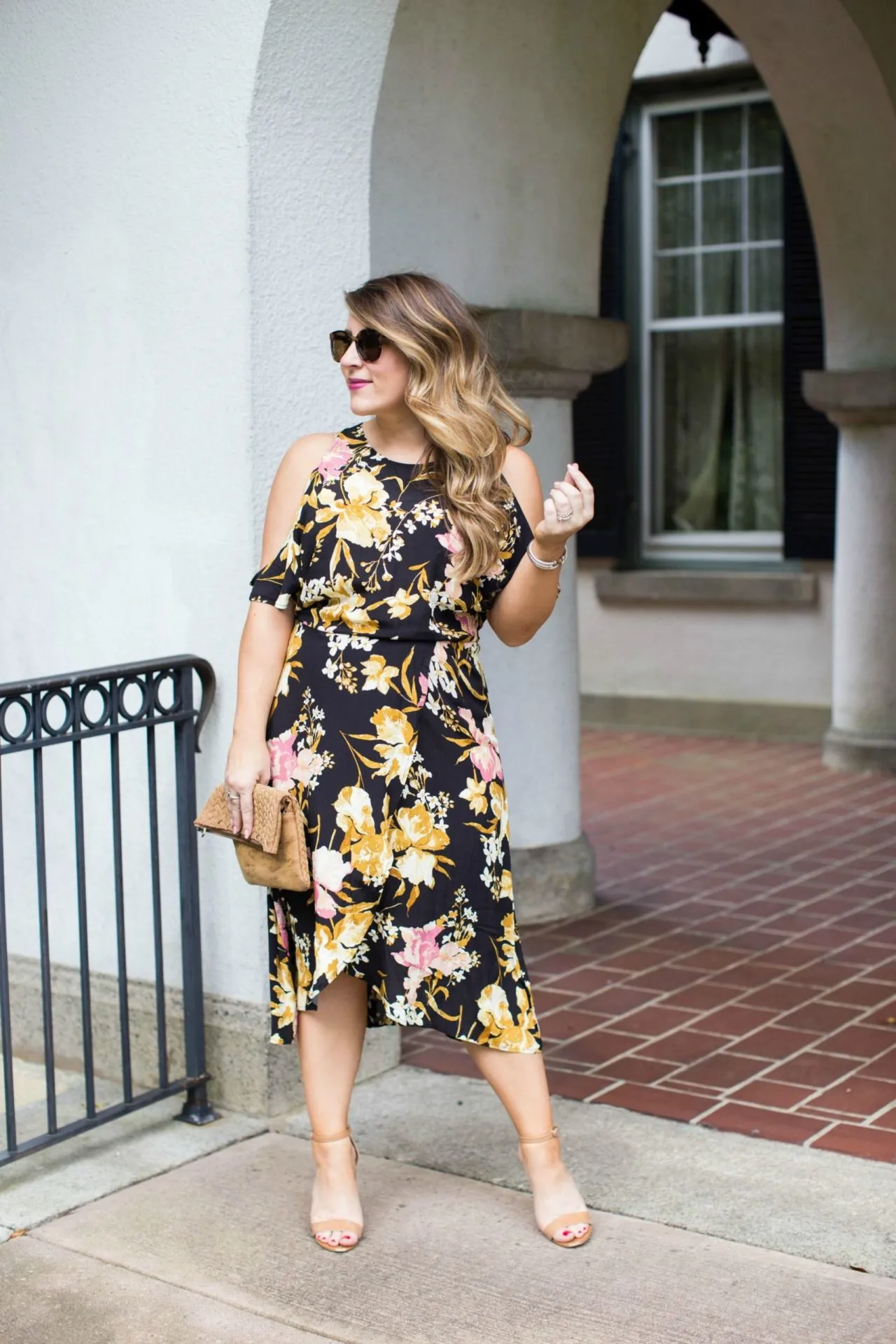
2.3. Printed dresses
A print draws attention to where you want it, the part of you that you feel most confident about.
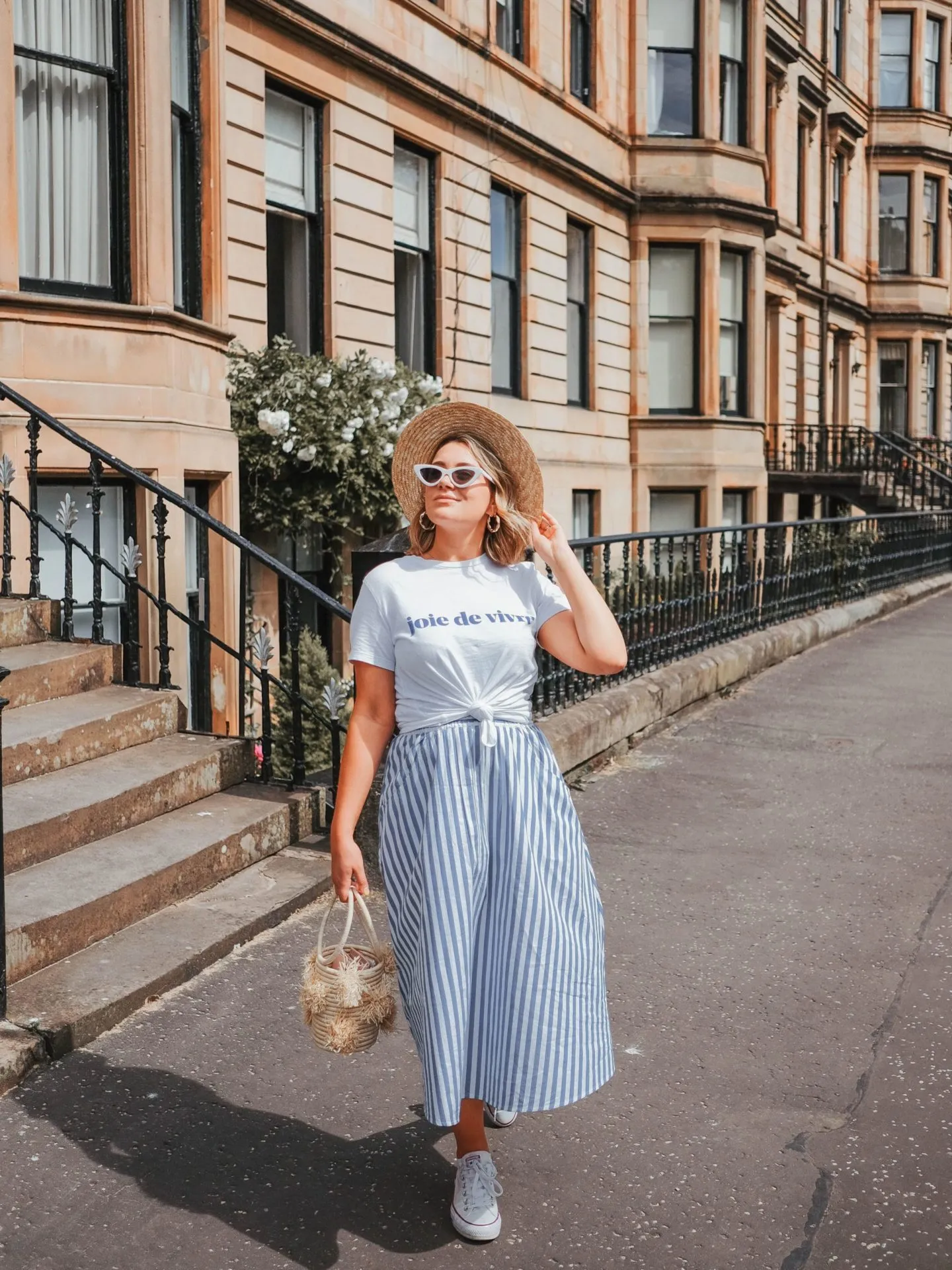
2.4. Skirts below the knee
A long skirt with a simple T-shirt skims over any area you’d rather play down. It is a simple but striking style for work or the weekend. Tuck in or knot the T-shirt for a neater look.
Knowing your height and weight helps you understand your figure and your health. But beauty means different things to different people: some love a slender figure, others a soft, curvy one. So don’t force yourself into a single standard. Focus on a balanced diet and regular exercise to look after your health.